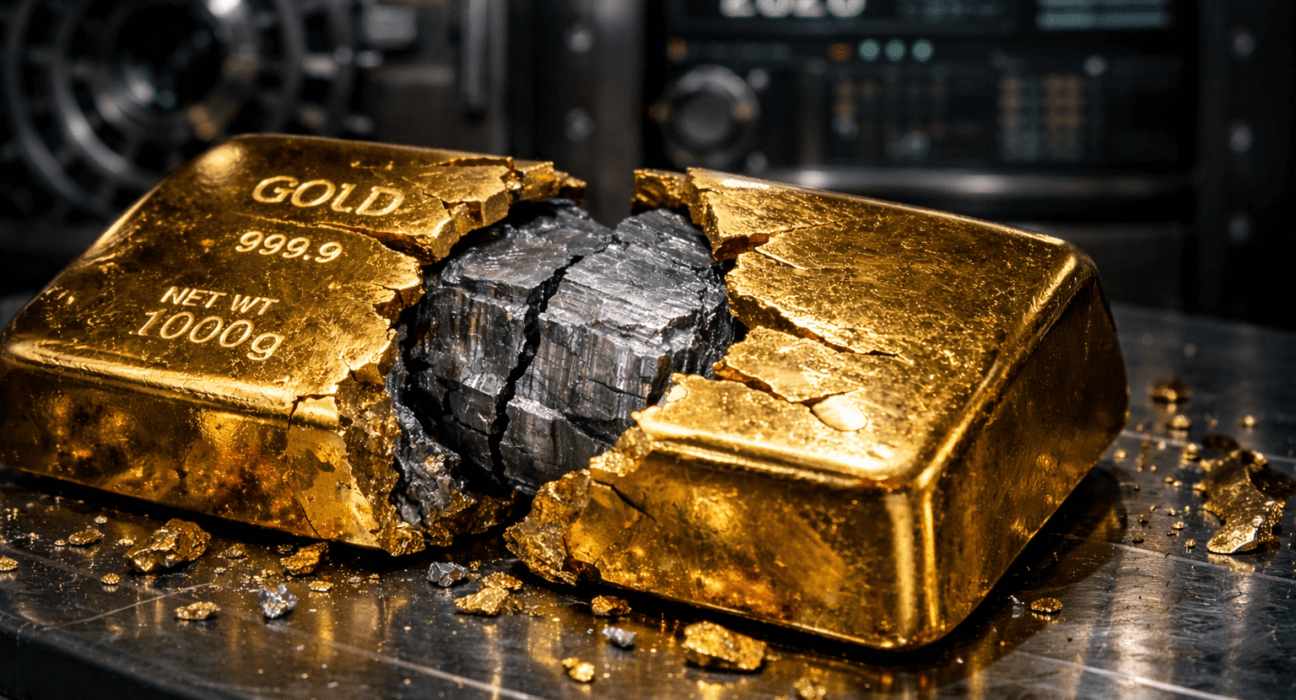
introduzione: Quando “l'oro” non è oro
- Manhattan, 2012.
- Europa, 2019.
- Il punto chiave:
Dove e come: Le contraffazioni appaiono
- 1. Forme non standard: grani, polvere, pepite senza documentazione — ideali per la miscelazione di leghe e false dichiarazioni di purezza.
- 2. Piccoli mercati informali: annunci economici, inserzioni sui social media, offerte “troppo belle per essere vere”.
- 3. Kilobars e il mondo delle buone consegne: raro nei canali affidabili, ma il 2019 ha dimostrato che francobolli e identità falsi possono infiltrarsi in inventari più grandi.
Risposta del settore: Un “Passaporto” per lingotti d'oro
Test di autenticazione: Da Base a Professionale
- A) Metodi di condivisione rapido
- Peso e dimensioni: Le monete e le barre standard hanno specifiche esatte. Una bilancia e un calibro digitali eliminano molte contraffazioni grezze.
- Test del magnete:L'oro non è ferromagnetico. Se un magnete aderisce saldamente, si tratta di un avvertimento immediato (nota: anche il tungsteno non è magnetico, quindi questo è solo un primo filtro).
- Prova di gravità specifica: La densità dell'oro è di circa 19,3 g/cm³. I test di spostamento dell'acqua possono rivelare deviazioni, anche se a volte la placcatura può mascherare discrepanze.
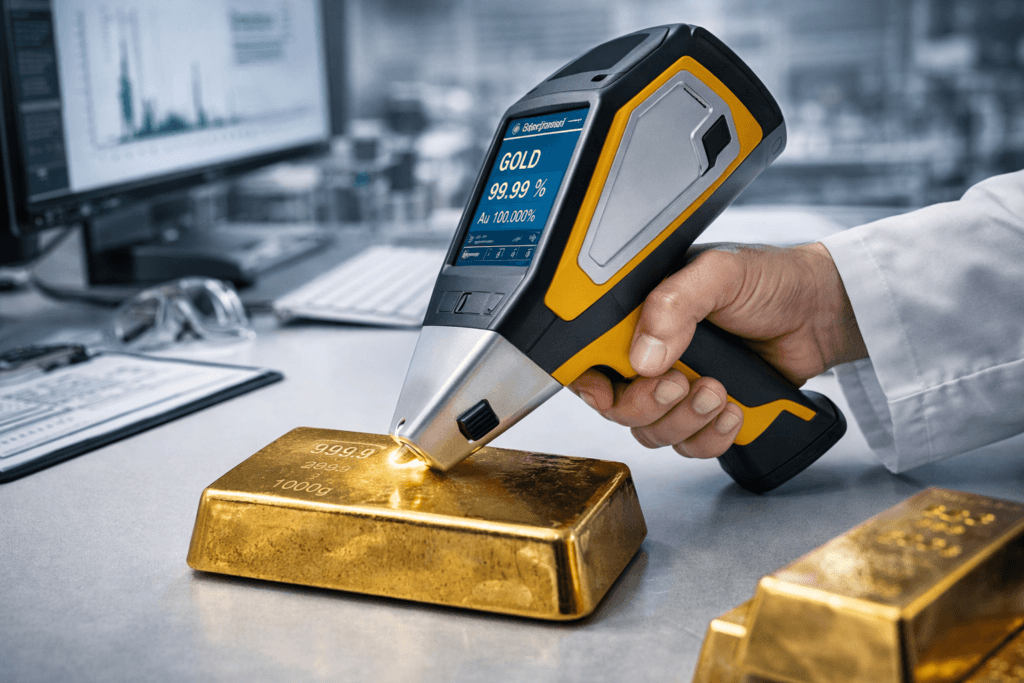
- B) Prove professionali non distruttive
- XRF (X-ray fluorescence): Misura rapidamente la composizione e la purezza della superficie. Ottimo per monete e barre, ma non rileva nuclei interni profondi.
- Test di velocità degli ultrasuoni / suoni: Rileva i nuclei di tungsteno grazie alle diverse proprietà acustiche. In combinazione con i test di conduttività elettrica, questo costituisce un potente metodo di verifica
- Scansione microstrutturale della superficie unica rispetto a un database sicuro.
- 1. Forme non standard: grani, polvere, pepite senza documentazione — ideali per la miscelazione di leghe e false dichiarazioni di purezza.
- 2. Piccoli mercati informali:annunci economici, inserzioni sui social media, offerte “troppo belle per essere vere”.
- 3. Kilobars and the Good Delivery world: rare in reputable channels, but 2019 showed that fake stamps and identities can infiltrate larger inventories.
- C) Destructive Testing
- Drilling or fire assay: The most precise method but destroys the piece. Used only in disputed cases or with non-standard forms such as grains or powder.
In practice, most standard coins and bars from recognized mints do not require melting. A combination of weight, dimensions, ultrasound or conductivity testing, and XRF is sufficient in 99% of cases.
Four Real Stories — and What You Can Learn
- Manhattan 2012 — Tungsten Cores
Buyers believed they were purchasing certified 10-oz bars, but melt testing revealed tungsten beneath a thin gold layer.
Lesson: Don’t buy large bars from unverified sources. Paper certificates are not a substitute for a verified chain of integrity.


Do not buy a single gram of gold or silver until you have read this gold valuable information.
- Did you know that you can pay up to 59% more than the market price of gold?
- How can you significantly reduce the price of gold and silver?
- You can get up to + 1/3 more precious metals for your savings!
- Physical investment gold and silver of the highest quality. Good delivery.
BONUS! Extremely tax efficient: you pay absolutely no tax!
Enter your name and email address now to participate for free.

- Europe 2019 — Fake Refinery Stamps
An investigation uncovered systematic abuse: criminal networks used counterfeit stamps and serial numbers to legitimize illicit gold.
Lesson: Buy from recognized Good Delivery supply chains and retain documentation.
- “Rare Coin” Telephone Sales
Some sales operations sold elderly buyers overpriced “rare coins” when they were seeking standard bullion.
Lesson: If you want investment gold, demand standard bullion products priced relative to spot. Numismatics is a different market with different liquidity.
- Wholesale Vault Systems
In wholesale markets, bars circulate with documentation, audits, and traceability.
Lesson: Retail buyers should mimic this logic — standardization, documentation, verification.
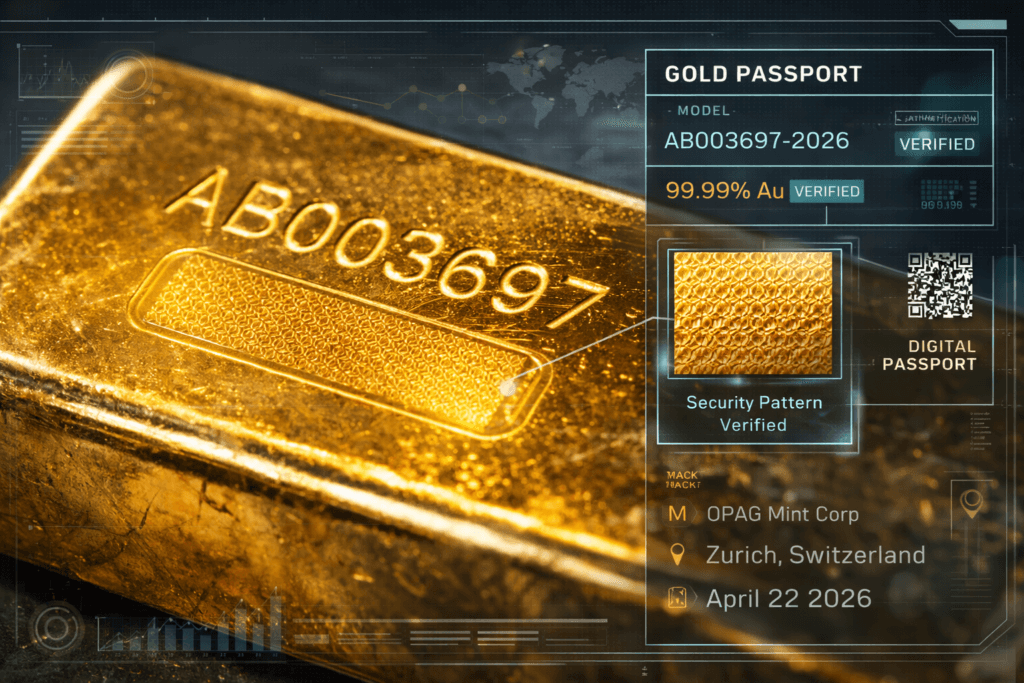
Image: Buying gold. What is a fair price? Many factors can affect the price of investment gold. Attention investors: the fair price of gold is primarily determined by the current economic and geopolitical environment.
A Simple 5-Step Buying Protocol
- Step 1 – Channel
Buy from dealers offering standard coins and bars from recognized mints and LBMA-accredited refiners. Transparent premiums and clear buyback policies are essential.
- Step 2 – Product
Start with 1 oz coins (Krugerrand, Maple Leaf, Philharmonic, American Eagle, Britannia) and 10–100 g bars in original sealed packaging with assay certificates.
- Step 3 – Documentation
Keep invoices, serial numbers, and photographs. If verification systems are available, register them.
- Step 4 – Testing
At delivery, request weight and measurement checks, magnet test, and if available, XRF and ultrasound or conductivity testing. For larger purchases, request documented test results.
- Step 5 – Storage
Store the majority in allocated third-party vault storage with contractual protection and insurance. Keep only a tactical portion at home.
How to Read an Offer Properly
- Price = Spot + premium (clearly stated percentage).
- Buyback formula = Spot – X%.
- Testing conducted in front of you without mandatory melting for standard products.
- Allocated storage clearly defined in contract.
- Security packaging not tampered with.
Most Common Types of Counterfeits
- 1. Gold-plated brass or copper
- 2. Tungsten-core bars
- 3. Counterfeit stamps and serial numbers
- 4. Fake numismatic coins

“Paper Is Not Gold” — But It Matters
- Assay packaging: Protects liquidity; damage may reduce buyback value.
- Serial numbers: Photograph and store documentation securely.
- Wholesale warrants: Represent ownership tied to specific bars. Retail investors should adopt the same mindset — identity and traceability matter.
PURCHASE OF GOLD. Free information. You can get up to 1/3 more precious metals!
- How can you buy gold and silver for investment?
- Much cheaper.
- We discover how you can reduce seller commissions.
- Highest quality. 999/1000. Good delivery.
Information worth its weight in gold. Completely free
It is not worth buying a single gram until you have this information.
Enter your name and email address now to participate for free.

Red Flags
- Prices far below market without explanation
- Seller refuses testing in your presence
- Missing documentation
- Aggressive numismatic upselling
- Large purchases through anonymous channels
Practical Scenarios
- A) Buying a Gift
Instead of a 1 g novelty piece at a huge premium, purchase a 1/10 oz coin from a reputable dealer and request XRF verification. Keep the invoice.
- B) Cheap Kilobar from Unknown Source
High risk. Kilobars are frequent targets of fake stamping. Require full chain-of-custody documentation and professional testing — otherwise avoid.
- C) Inherited Gold Grains or Dust
Expect assay testing and possibly melting. To convert into investment-grade gold, refine into standard coins or bars and establish documentation.
Conclusion
Counterfeits are a reality — from crude plating to sophisticated tungsten cores and forged documentation.
The good news: you have the tools and process to dramatically reduce risk.
Standard products from verified supply chains, proper documentation, professional verification (XRF plus ultrasound or conductivity), and secure storage ensure that gold fulfills its timeless purpose:
Quietly and reliably protecting your savings.
FAQ
Start with weight, dimensions, and magnet test. At a dealer, request XRF and ultrasound or conductivity testing.
Yes, for PAMP products in original packaging. It compares the bar’s microstructure to a database. It is an additional layer, not the only safeguard.
An initiative introducing standardized security features and a digital database of bar identities to prevent counterfeit or illicit gold from entering global markets.
Extremely rare, but past incidents led to stricter audits and enhanced traceability. For retail buyers, standardization and documentation remain the best defense.
An electronic ownership document linked to specific bars stored in approved depositories within wholesale markets.