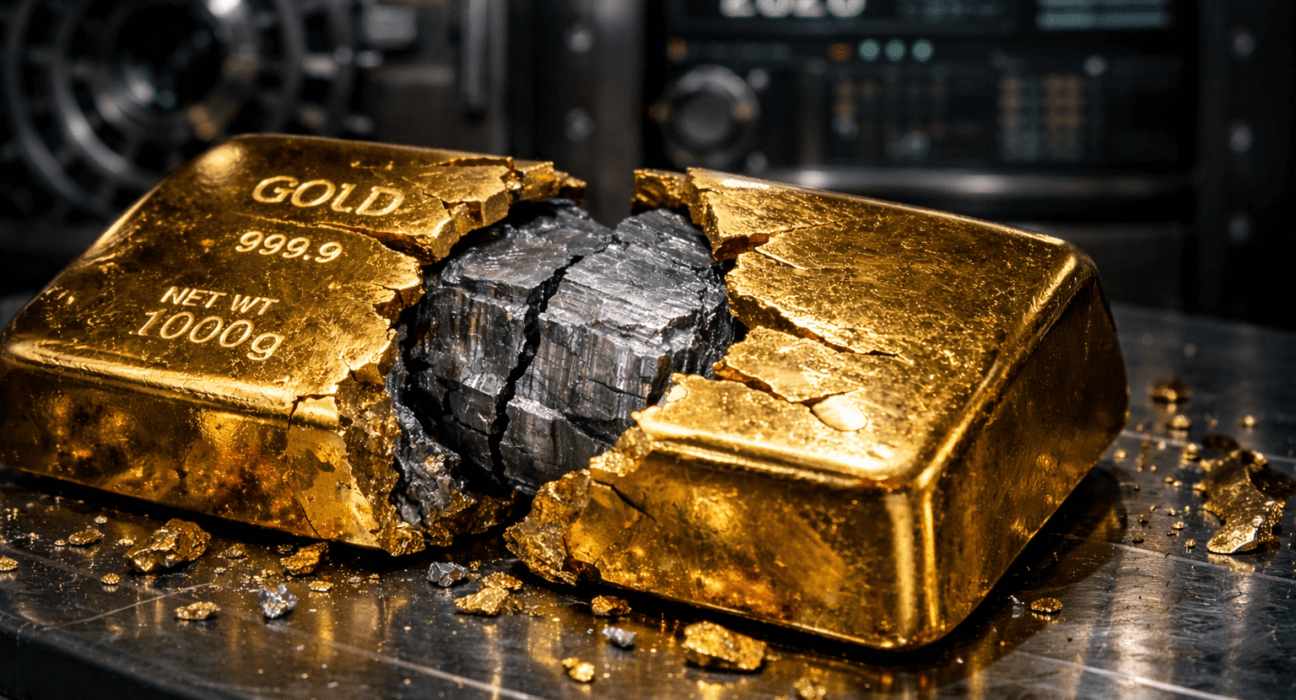
When someone says they keep a “safe portion of their wealth in gold,” they imagine peaceful sleep. But the history of the past decade shows that not everything labeled “gold” is truly gold. In New York, tungsten cores were discovered inside 10-ounce bars. In European vaults, kilogram bars surfaced with counterfeit stamps of respected refineries. The industry had to respond with new security features and digital traceability systems.
In this article, you’ll get real examples, effective testing methods, and a simple buying plan that minimizes the risk of fraud.
Introduction: When “Gold” Isn’t Gold
- Manhattan, 2012.
A dealer in the Diamond District discovered during a melt test that a 10-ounce “gold” bar was actually more than 75% tungsten. Tungsten has almost the same density as gold, making it an “ideal” material for sophisticated counterfeits. The story reached major media outlets and triggered additional global inspections.
- Europe, 2019.
An investigation revealed that thousands of kilogram bars with forged stamps from reputable refineries had entered the global supply chain. Some were used to launder illicit gold from smuggling and conflict zones. The issue was that these bars looked authentic and were extremely difficult to detect without advanced testing and proper chain-of-custody documentation.
- The key takeaway:
Counterfeits are not urban myths. They exist — from crude gold-plated base metals to highly sophisticated tungsten-core bars with falsified documentation. The solution is not panic, but process: where you buy, what you buy, how you store it, and how you verify it.
Where and How Counterfeits Appear
- 1. Non-standard forms: grains, powder, nuggets without documentation — ideal for alloy mixing and false purity claims.
- 2. Small informal markets: classified ads, social media listings, “too-good-to-be-true” deals.
- 3. Kilobars and the Good Delivery world: rare in reputable channels, but 2019 showed that fake stamps and identities can infiltrate larger inventories.
In response, the industry launched the Gold Bar Integrity (GBI) initiative — introducing standardized security features and a global database of bar identities.
Industry Response: A “Passport” for Gold Bars
LBMA Gold Bar Integrity (GBI) aims to add standardized visual and forensic security features and connect bars to a digital database. Each bar effectively receives a “passport” containing identity, origin, and chain-of-custody information. The goal is to prevent counterfeit identities from entering vault systems and international trade.
PAMP VERISCAN. The Swiss refinery PAMP developed a microstructural “fingerprint” on the surface of each bar. A mobile or desktop application scans the surface and compares it to the original database record. This is particularly useful for retail bars in original sealed packaging.
COMEX warranting and chain of integrity. In futures markets, physical delivery is linked to electronic warrants associated with specific bars in approved depositories. The warrant represents ownership documentation tied directly to that bar.
Authentication Tests: From Basic to Professional
- A) Quick Screening Methods
- Weight and dimensions: Standard coins and bars have exact specifications. A digital scale and caliper eliminate many crude counterfeits.
- Magnet test: Gold is not ferromagnetic. If a magnet sticks strongly, that’s an immediate warning (note: tungsten is also non-magnetic, so this is only a first filter).
- Specific gravity test: Gold’s density is approximately 19.3 g/cm³. Water displacement tests can reveal deviations, though plating can sometimes mask discrepancies.
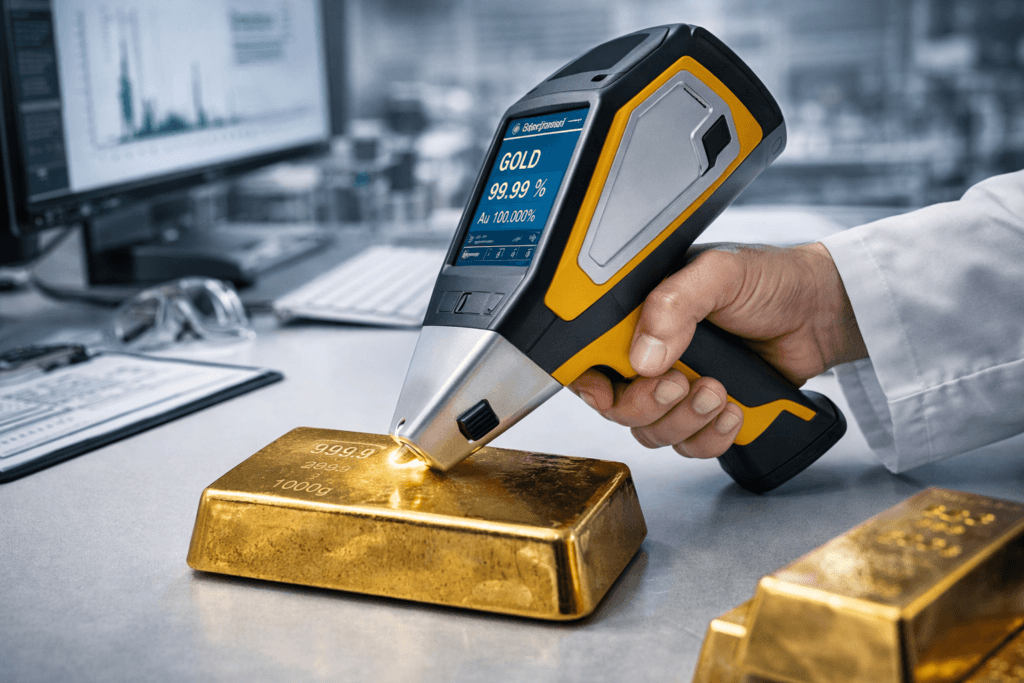
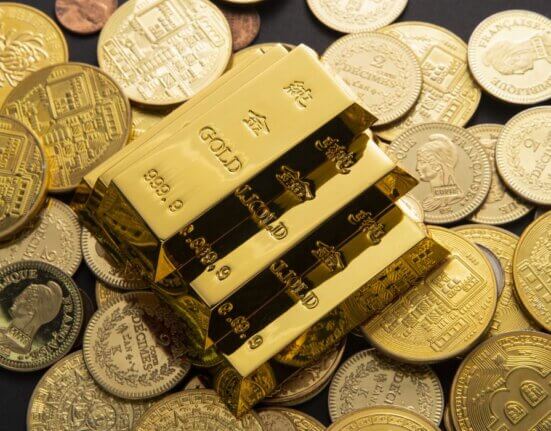
Image: Do you know where and how to buy gold? One of the most common options for buying gold is physical gold, such as coins, bars, or jewelry.
- B) Professional Non-Destructive Testing
- XRF (X-ray fluorescence): Quickly measures surface composition and purity. Excellent for coins and bars, but does not detect deep internal cores.
- Ultrasound / sound velocity testing: Detects tungsten cores due to different acoustic properties. Combined with electrical conductivity testing, this forms a powerful verification method.
- Manufacturer technologies (e.g., VERISCAN): Unique microstructural surface scanning compared against a secure database.
- C) Destructive Testing
- Drilling or fire assay: The most precise method but destroys the piece. Used only in disputed cases or with non-standard forms such as grains or powder.
In practice, most standard coins and bars from recognized mints do not require melting. A combination of weight, dimensions, ultrasound or conductivity testing, and XRF is sufficient in 99% of cases.
Four Real Stories — and What You Can Learn
- Manhattan 2012 — Tungsten Cores
Buyers believed they were purchasing certified 10-oz bars, but melt testing revealed tungsten beneath a thin gold layer.
Lesson: Don’t buy large bars from unverified sources. Paper certificates are not a substitute for a verified chain of integrity.


Do not buy a single gram of gold or silver until you have read this gold valuable information.
- Did you know that you can pay up to 59% more than the market price of gold?
- How can you significantly reduce the price of gold and silver?
- You can get up to + 1/3 more precious metals for your savings!
- Physical investment gold and silver of the highest quality. Good delivery.
BONUS! Extremely tax efficient: you pay absolutely no tax!
Enter your name and email address now to participate for free.

- Europe 2019 — Fake Refinery Stamps
An investigation uncovered systematic abuse: criminal networks used counterfeit stamps and serial numbers to legitimize illicit gold.
Lesson: Buy from recognized Good Delivery supply chains and retain documentation.
- “Rare Coin” Telephone Sales
Some sales operations sold elderly buyers overpriced “rare coins” when they were seeking standard bullion.
Lesson: If you want investment gold, demand standard bullion products priced relative to spot. Numismatics is a different market with different liquidity.
- Wholesale Vault Systems
In wholesale markets, bars circulate with documentation, audits, and traceability.
Lesson: Retail buyers should mimic this logic — standardization, documentation, verification.
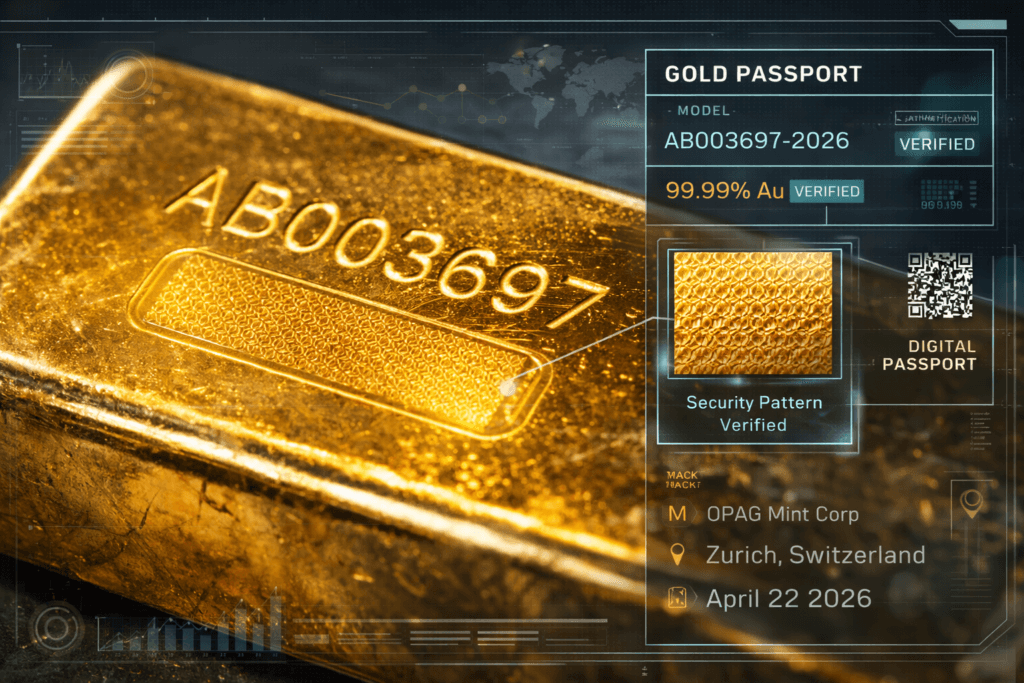
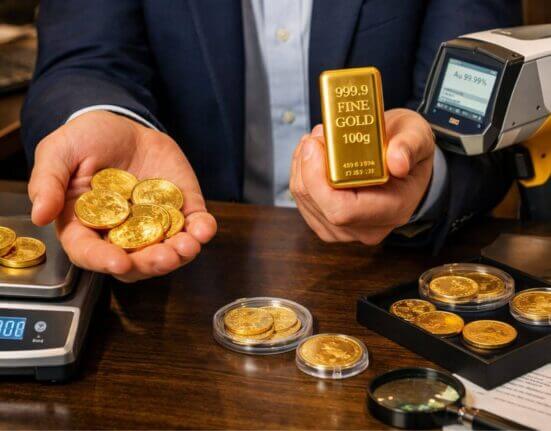
Image: Buying gold. What is a fair price? Many factors can affect the price of investment gold. Attention investors: the fair price of gold is primarily determined by the current economic and geopolitical environment.
A Simple 5-Step Buying Protocol
- Step 1 – Channel
Buy from dealers offering standard coins and bars from recognized mints and LBMA-accredited refiners. Transparent premiums and clear buyback policies are essential.
- Step 2 – Product
Start with 1 oz coins (Krugerrand, Maple Leaf, Philharmonic, American Eagle, Britannia) and 10–100 g bars in original sealed packaging with assay certificates.
- Step 3 – Documentation
Keep invoices, serial numbers, and photographs. If verification systems are available, register them.
- Step 4 – Testing
At delivery, request weight and measurement checks, magnet test, and if available, XRF and ultrasound or conductivity testing. For larger purchases, request documented test results.
- Step 5 – Storage
Store the majority in allocated third-party vault storage with contractual protection and insurance. Keep only a tactical portion at home.
How to Read an Offer Properly
- Price = Spot + premium (clearly stated percentage).
- Buyback formula = Spot – X%.
- Testing conducted in front of you without mandatory melting for standard products.
- Allocated storage clearly defined in contract.
- Security packaging not tampered with.
Most Common Types of Counterfeits
- 1. Gold-plated brass or copper
- 2. Tungsten-core bars
- 3. Counterfeit stamps and serial numbers
- 4. Fake numismatic coins

“Paper Is Not Gold” — But It Matters
- Assay packaging: Protects liquidity; damage may reduce buyback value.
- Serial numbers: Photograph and store documentation securely.
- Wholesale warrants: Represent ownership tied to specific bars. Retail investors should adopt the same mindset — identity and traceability matter.
PURCHASE OF GOLD. Free information. You can get up to 1/3 more precious metals!
- How can you buy gold and silver for investment?
- Much cheaper.
- We discover how you can reduce seller commissions.
- Highest quality. 999/1000. Good delivery.
Information worth its weight in gold. Completely free
It is not worth buying a single gram until you have this information.
Enter your name and email address now to participate for free.

Red Flags
- Prices far below market without explanation
- Seller refuses testing in your presence
- Missing documentation
- Aggressive numismatic upselling
- Large purchases through anonymous channels
Practical Scenarios
- A) Buying a Gift
Instead of a 1 g novelty piece at a huge premium, purchase a 1/10 oz coin from a reputable dealer and request XRF verification. Keep the invoice.
- B) Cheap Kilobar from Unknown Source
High risk. Kilobars are frequent targets of fake stamping. Require full chain-of-custody documentation and professional testing — otherwise avoid.
- C) Inherited Gold Grains or Dust
Expect assay testing and possibly melting. To convert into investment-grade gold, refine into standard coins or bars and establish documentation.
Conclusion
Counterfeits are a reality — from crude plating to sophisticated tungsten cores and forged documentation.
The good news: you have the tools and process to dramatically reduce risk.
Standard products from verified supply chains, proper documentation, professional verification (XRF plus ultrasound or conductivity), and secure storage ensure that gold fulfills its timeless purpose:
Quietly and reliably protecting your savings.
FAQ
Start with weight, dimensions, and magnet test. At a dealer, request XRF and ultrasound or conductivity testing.
Yes, for PAMP products in original packaging. It compares the bar’s microstructure to a database. It is an additional layer, not the only safeguard.
An initiative introducing standardized security features and a digital database of bar identities to prevent counterfeit or illicit gold from entering global markets.
Extremely rare, but past incidents led to stricter audits and enhanced traceability. For retail buyers, standardization and documentation remain the best defense.
An electronic ownership document linked to specific bars stored in approved depositories within wholesale markets.